

The Role of Law in Promoting Social Justice
Law serves as a comprehensive catalyst for social transformation and the promotion of equality. In India, the legal framework is deeply rooted in the Constitution, which not only outlines the structure of government but also enshrines fundamental principles of social, economic, and political justice. This blog delves into the multifaceted and comprehensive role of law in advancing social equality, specifically through the lens of constitutional mandates that guarantee fundamental rights and freedoms, legislative enactments that seek to dismantle systemic inequalities, and judicial interpretation that expands the scope of liberties and rights for marginalised communities. Additionally, it examines socio-legal reforms aimed at addressing historical injustices, exploring their impact on improving access to justice and empowering disadvantaged groups. This analysis aims to highlight both the achievements and ongoing challenges in striving for a more equitable society in India, reassure the public about the thoroughness and comprehensiveness of the legal system, and foster public confidence.
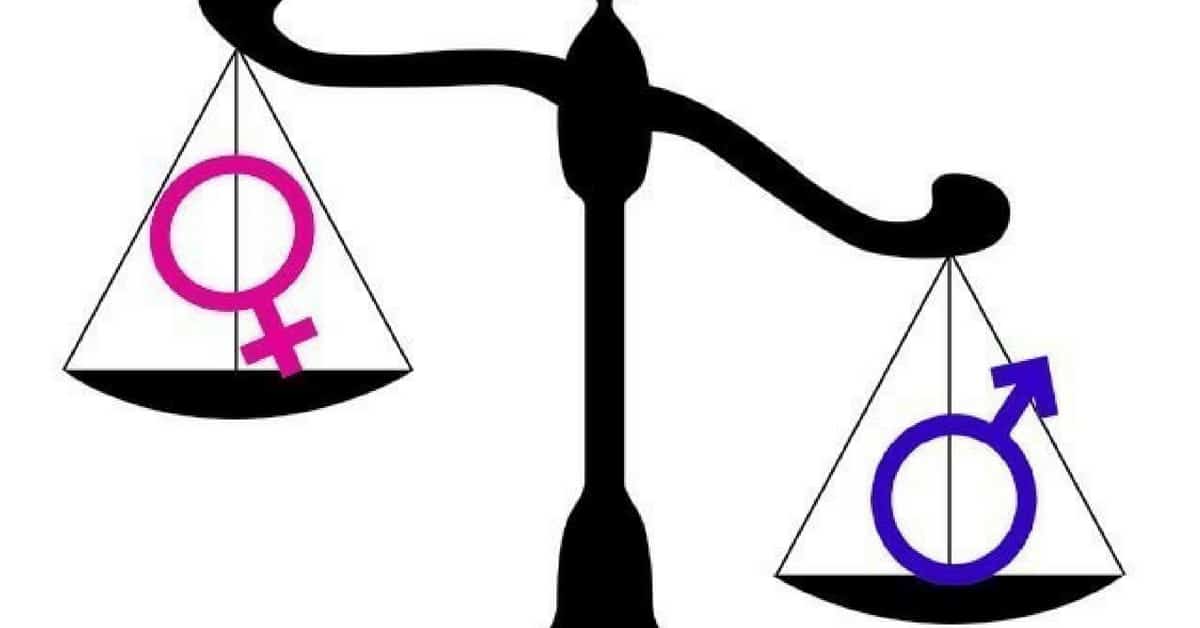
Misuse of Gender Laws in India
This paper, titled ‘Misuse of Gender Laws in India’, attempts to put forth some major loopholes in our Judicial System with respect to gender-oriented laws. It tries to make a sincere effort to understand how and why these loopholes get exploited by a section of society. It aims to critically evaluate, study and examine the major difference between what was intended by some laws versus what actually became of them through their massive misuse. This is one of those areas which has just started to gain momentum among the masses, but the legal and societal recognition of which has not received enough attention. There is also a significant dearth of quality literature available in this respect.
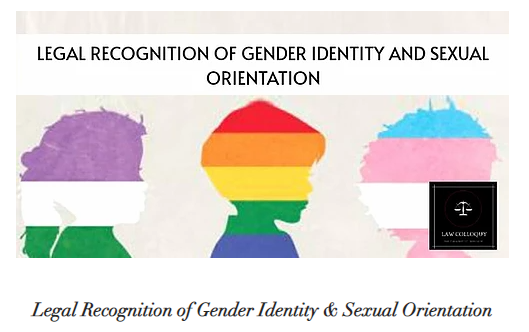
Legal Recognition of Gender Identity & Sexual Orientation
Progressive social changes in society represent the development of any nation. These changes are measured through various mediums like legislative frameworks, judicial attitude, attitudinal changes in the implementing machinery and mindsets of people. Indian Constitution, in its inception, included the fundamental rights under Part III. These fundamental rights form the basic structure and lifeline for the people. For any violation of the fundamental rights, there are remedial measures under Article 32, i.e. the Right to Constitutional Remedies by the Hon’ble Supreme Court of India. In Dr B.R. Ambedkar’s view, Article 32 is the very heart and soul of the Constitution.

Conversion Therapy: Violation of Ethics And The Way Out
Although the responses are new, the concept of conversion therapy dates to 1920s when homosexuality was considered pathological and attempts to cure gender identity using physical punishment, surgical intervention and counselling were ceaseless. The World Health Organization has not only declassified ‘homosexuality’ and ‘gender identity disorders’ as being mental health disorders but has also endeavoured to disregard conversion therapy as ineffective and detrimental. Since then, a wave of change has emerged for the LGBT+ community, in recognition of their gender identities as regular human developments, globally.

Mind the Gap: Women's fight against the gender pay gap
This article addresses the issue of the gender pay gap in India and studies the law on maintaining equal pay. Further, it also analyses some case studies to understand the issue in depth.